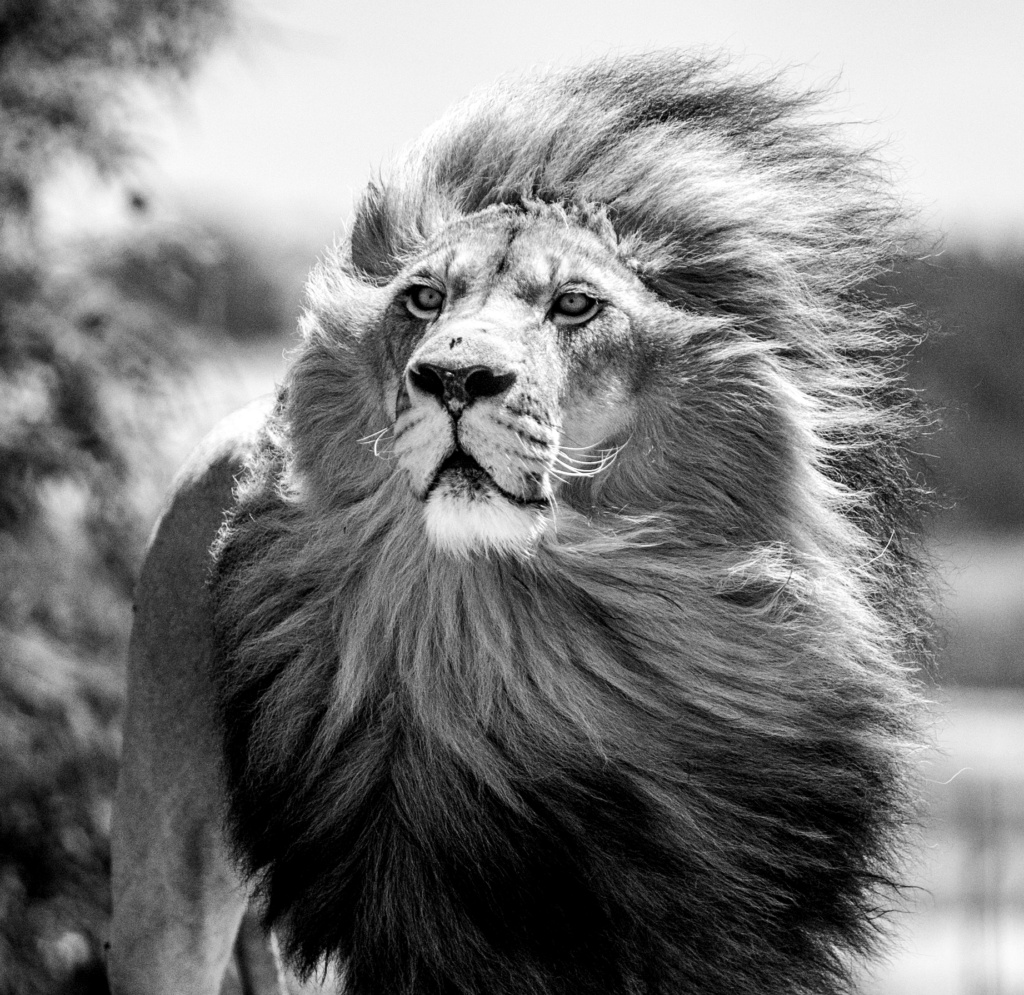

Lion and Lines
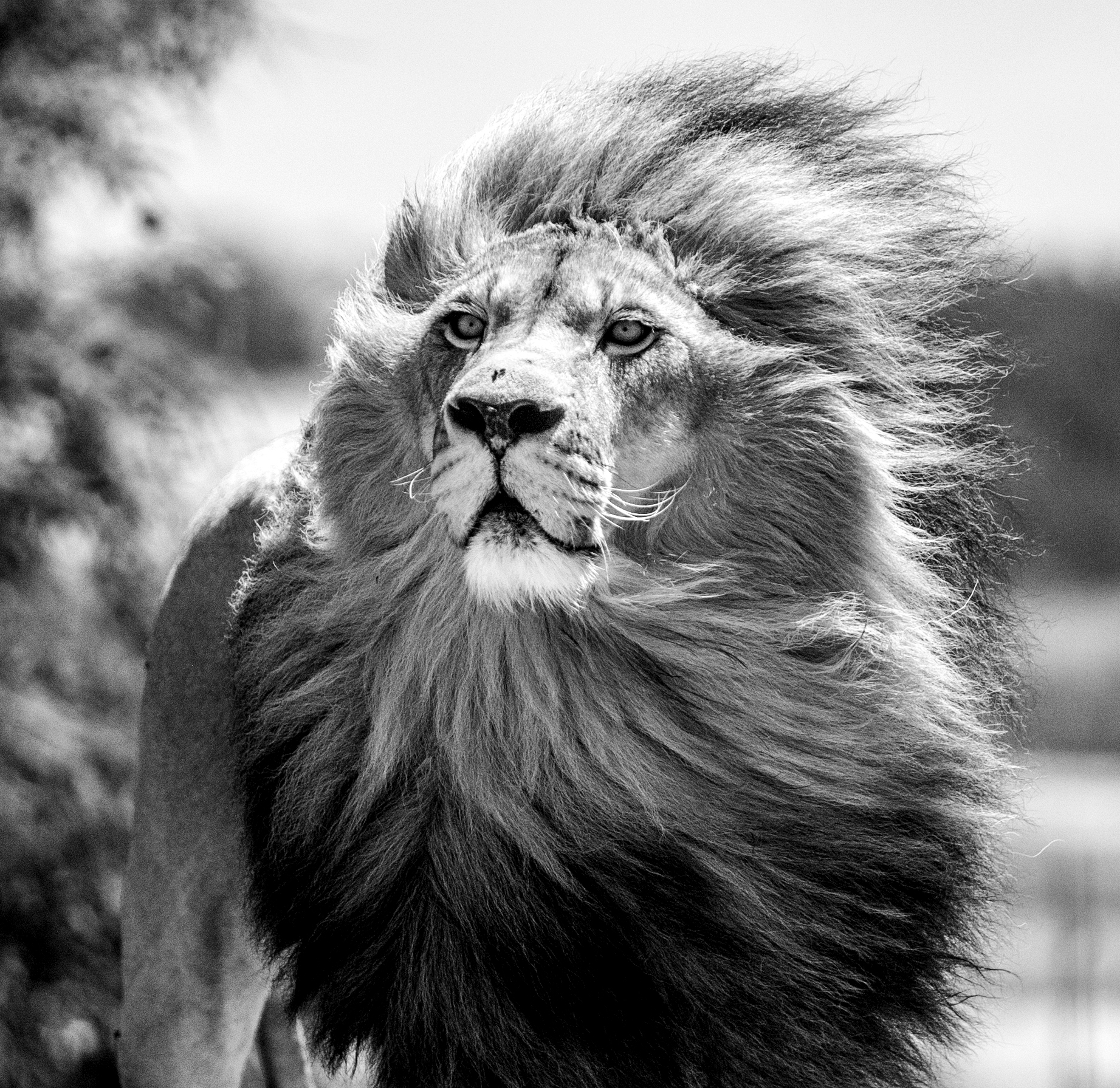
Ringo
| Medium | Photograhy Inkjet on Baryta |
| Dimensions | 17” X 18” |
| Edition Size | 5 |
| Value | $1,500 |
Story of this Series
+
Lions and Lines
All of the lions in this series live within doubly-fenced and electrified enclosures yet most of the photographs I found myself developing, ignored that fact. Very few people can afford the chance to see a lion in the wild. For most, it is the fence that enables this encounter — a boundary that makes it possible for humans and lions to gaze at one another. But the fence is not just a physical divider; it actively shapes the animal’s relationship to its environment. Watering stations are located next to the fence drawing lions near for the benefit of paying visitors. Food is delivered there. In this way, the fence transforms the lion into a spectacle, curated for human consumption. Its absence in my photographs, on the other hand, risks a different illusion — the false impression that the lion roams freely in a truly wild landscape.
Does a photograph without fencing make life any better for the animal?
Would showing the fencing provoke any kind of serious challenge to the systems that make these images possible?
It is my very strong belief that sitting on a couch consuming animal images like popcorn while dreaming about how nice it would be to be able to see the animal in beautifully depicted wild places, becomes less likely if one is looking at an image with explicit reference to fencing. And while these photographs might not immediately read as a call-to-action, my hope is that this type of animal imagery will provoke a desire to change how the viewer thinks about and relates to animals.